
Grand Opening of Meadowbank Sports Centre
Tokyo National Stadium: A Track Set for Records
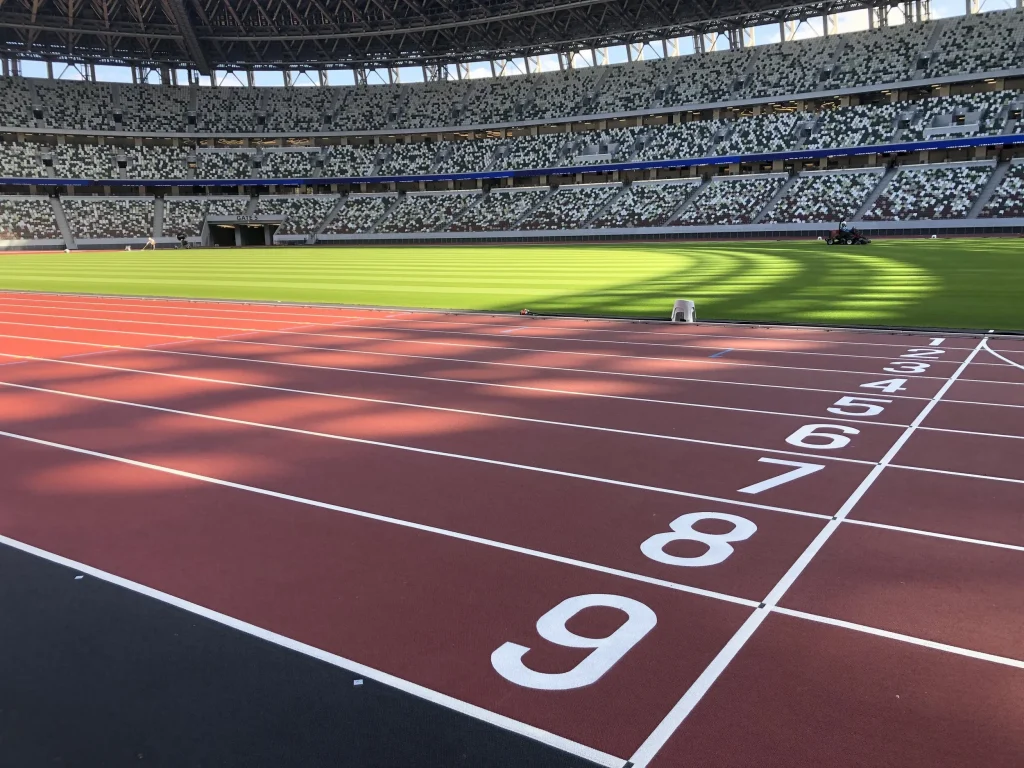
The Tokyo Olympics 2020 is at last upon us, the delay as a result of Covid-19. While the world’s best athletes had extra time to prepare, did you ever stop to wonder about the preparation that went into the track to guarantee all athletes a safe and fair opportunity to break records? Sports Labs was […]
Evaluation of Athletic Track Products
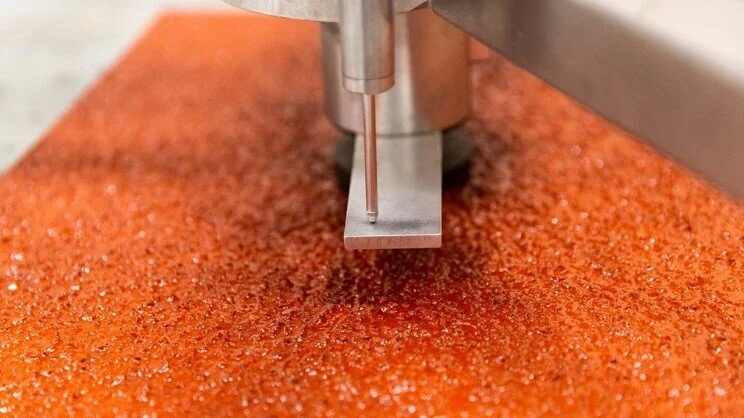
There are a couple of approaches to the evaluation of athletic track products to approve these for use in the field. World Athletics standard approach The common approach is to evaluate samples of the intended product by using a WA suite of tests. Samples are examined for a variety of properties to index Overall Thickness […]
Testing Athletic Fields in the United States Market
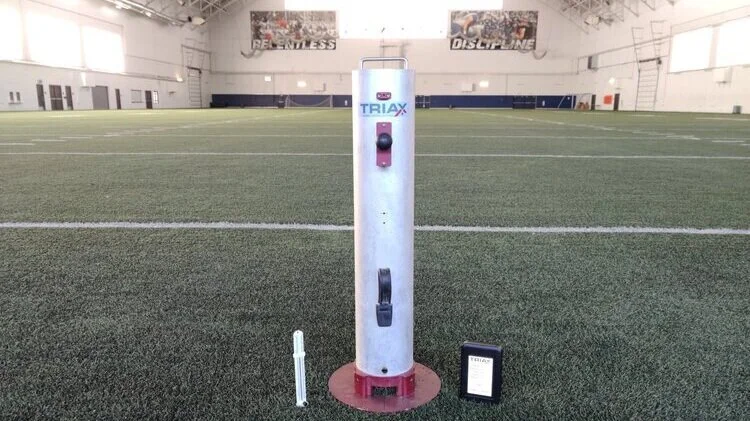
There are many tests available to assess the shock attenuation of your playing surface. The most common currently used in the USA by far is the measurement of GMax utilizing an ASTM F355 missile. This device has not changed much since it was first used back in 1971. It is probably one of the main and often times the only methods of regulating fields currently used. =
Advanced Artificial Athlete (AAA): An In-Depth Look
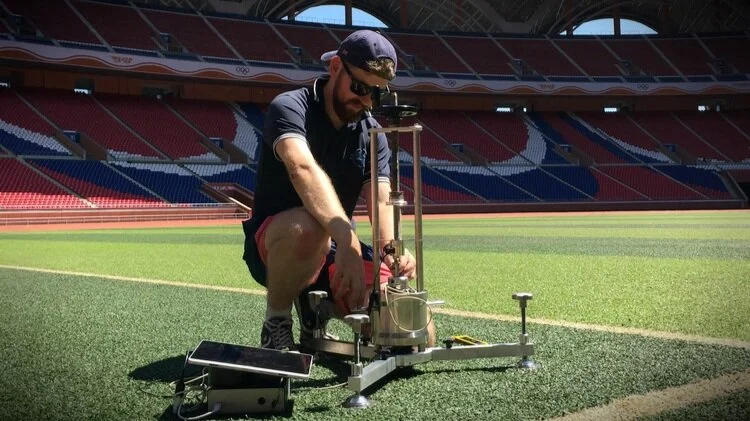
One of the more complex tests performed on a sports surface is the measurement of shock absorption and deformation. The measurements made with an Advanced Artificial Athlete (AAA) attempt to characterise the responses between athlete/surface interaction during a run, stop or cut. The complex biomechanics involved whenever a foot, ankle, knee, and hip engage at…
The Player As Part Of The Testing Team
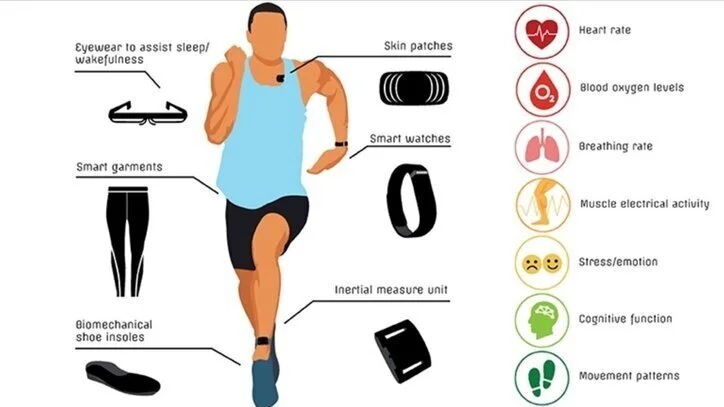
Anyone who knows me will know that I am always banging on about wearable technology becoming the next big thing to come into our world of testing artificial and natural turf sports fields. Let’s face it, Sports Labs has tested thousands of fields over the last 20 years using very similar equipment and technology. And as the processes used to build natural grass fields evolved, artificial turf…
5 Things You Need To Know About Force Reduction Testing
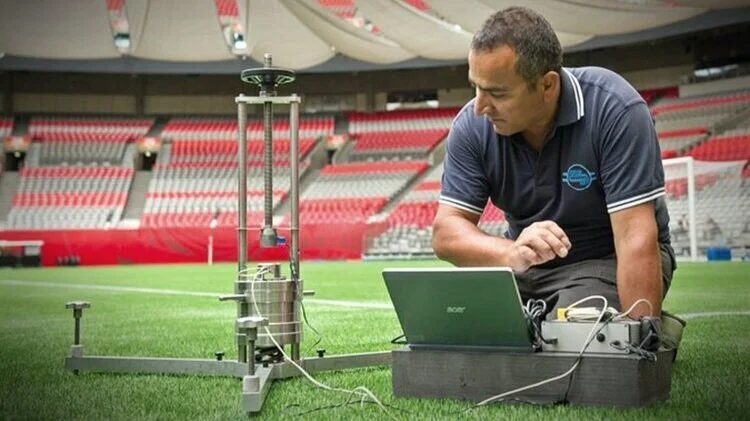
Force Reduction Testing, which is also sometimes referred to as shock absorption testing, is the measure of the ability of a surface to reduce impact forces when compared to a standard concrete surface. The term is often confused with the force of an athlete’s heel upon a surface. Force Reduction Testing was originally developed in the 1970s to assess and regulate polymeric surfaces.
Wavertree Park Athletics Track New Safe Environment of the Highest Quality
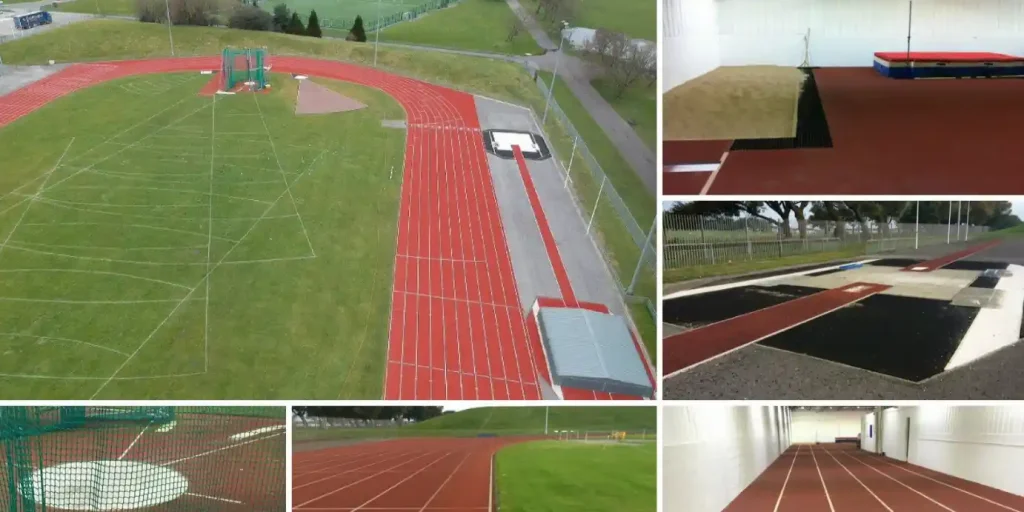
The project consisted of multiple refurbishments and was funded by Sport England, UK Athletics, Liverpool City Council and Liverpool Harriers.
Finsbury Park Athletics Track Gets £1.2m in Grants for Refurbishment

The project was tendered to specialist
track builders who were SAPCA registered. The works were awarded to Agripower Contractors.