Sports Labs

Free Pile Ration: How to Monitor It

In this article we bring attention to the ability of a field owner, facility manager or maintenance operative to apply a basic pile ratio over time to monitor performance to the point where recovery might not be achievable.

We have used a live field case study as an example. All fields will differ due to construction but change relative to ball roll can always be monitored.

You can download this article to your device and read it later:

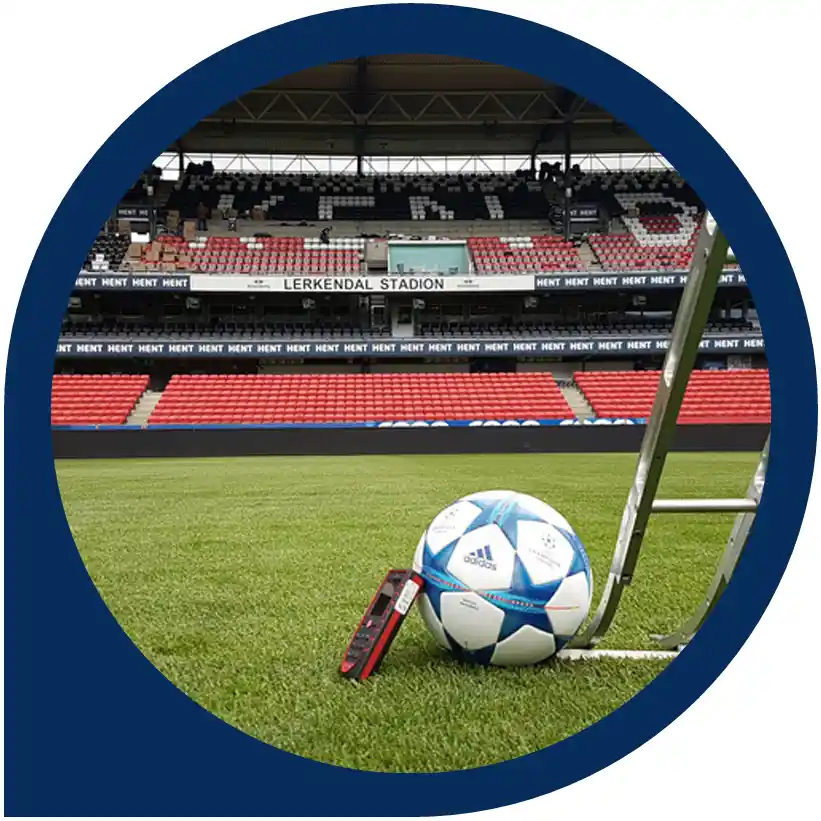
A Sports Labs specialist does testing on a sports field.

A METHOD TO MONITOR YARN FLATTENING

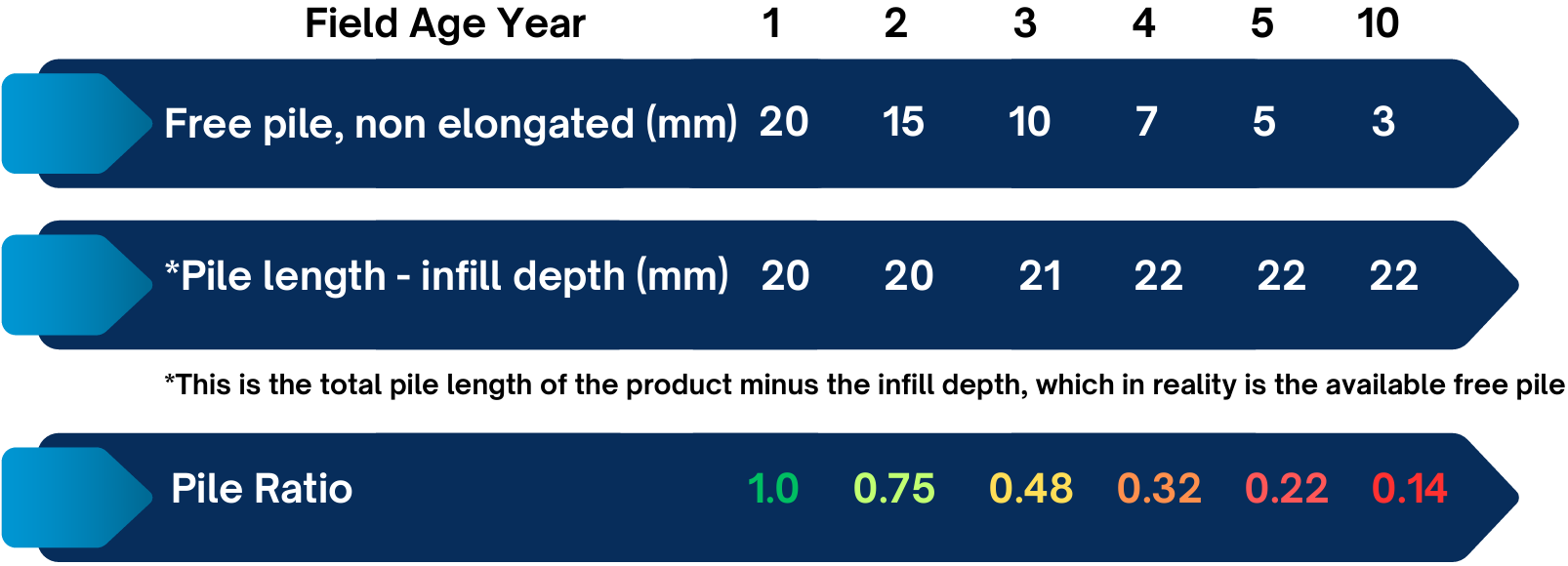
An indicator for field performance and life expectancy can be the amount of vertical free pile. This has a direct impact on the ball surface interaction, player surface interaction and the ability to perform remediating maintenance back to a suitable level

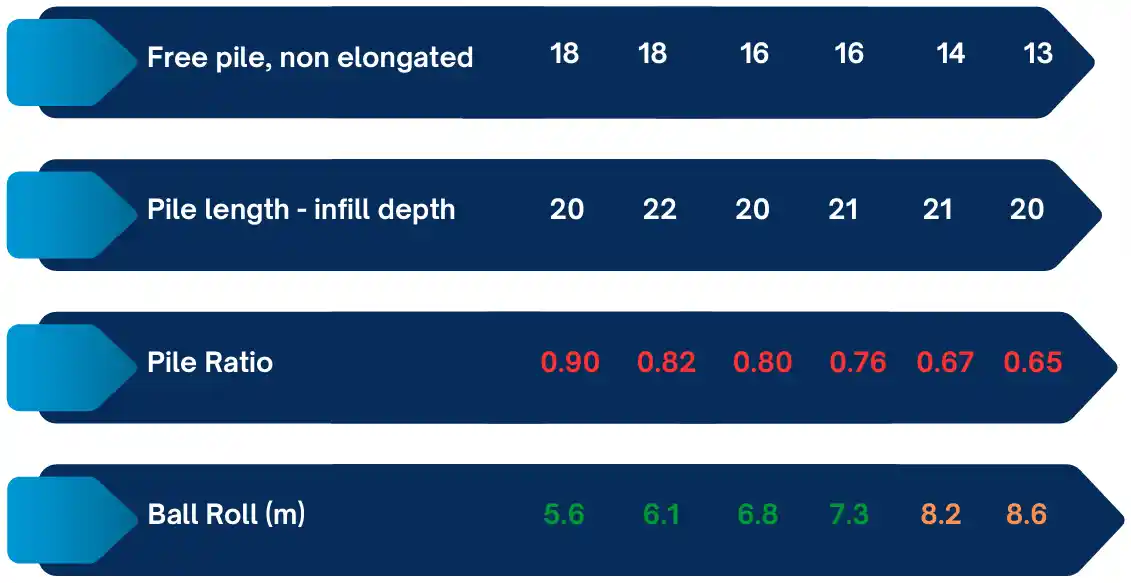
HOW TO MEASURE PILE RATIO

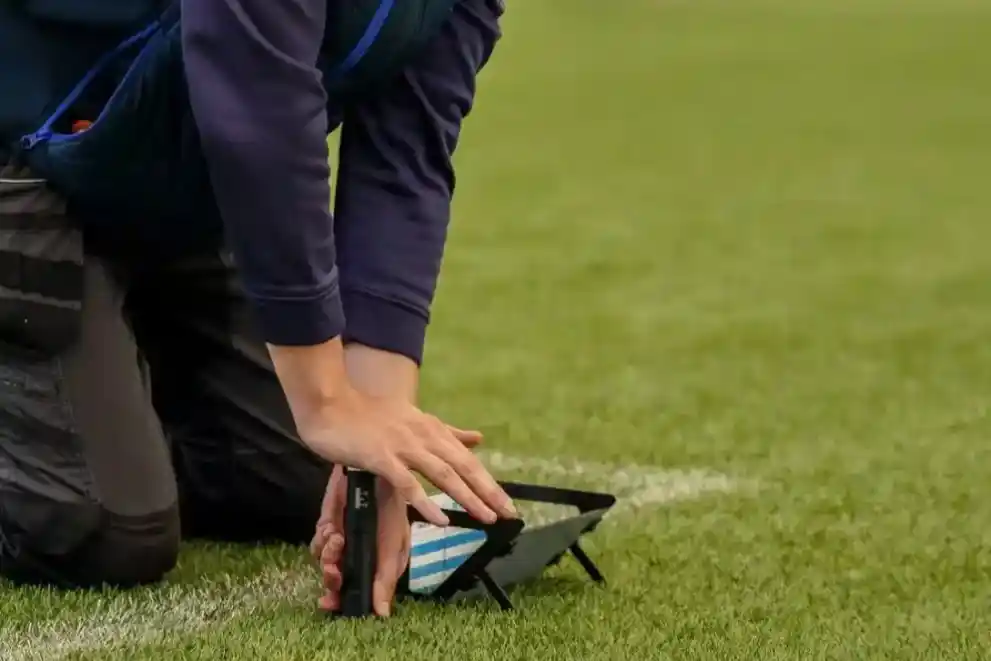
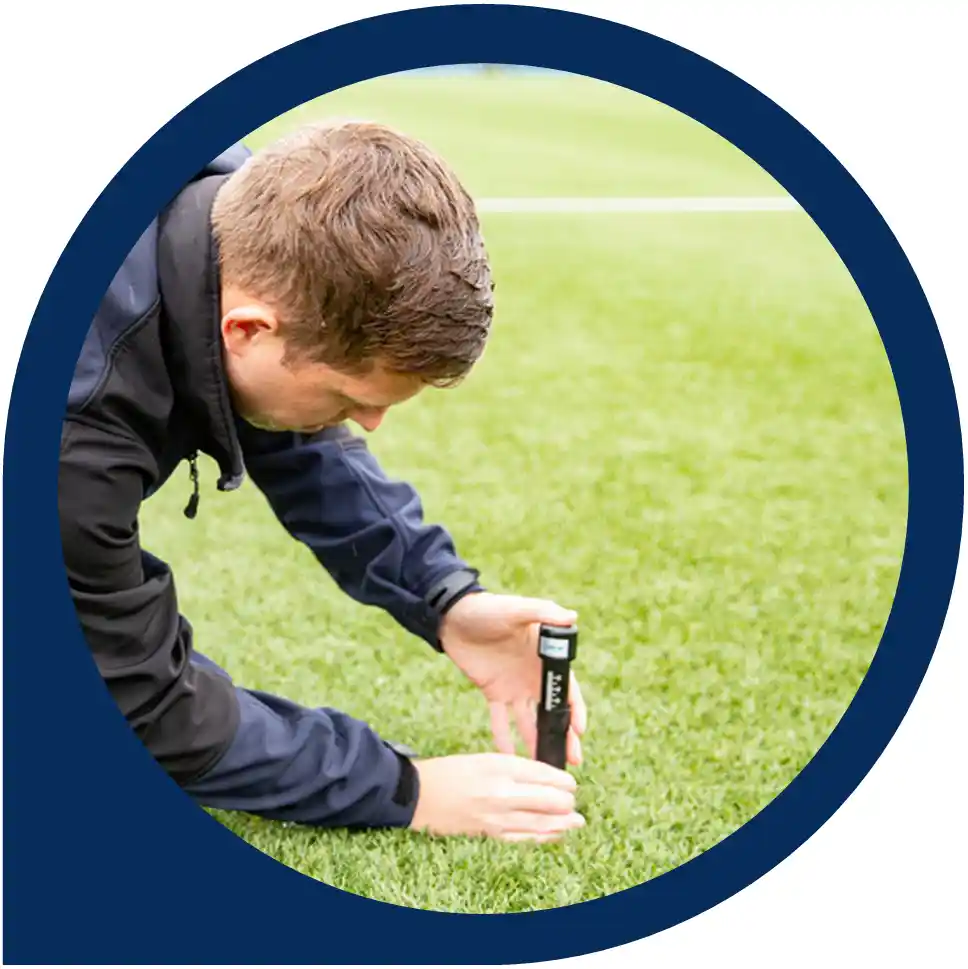
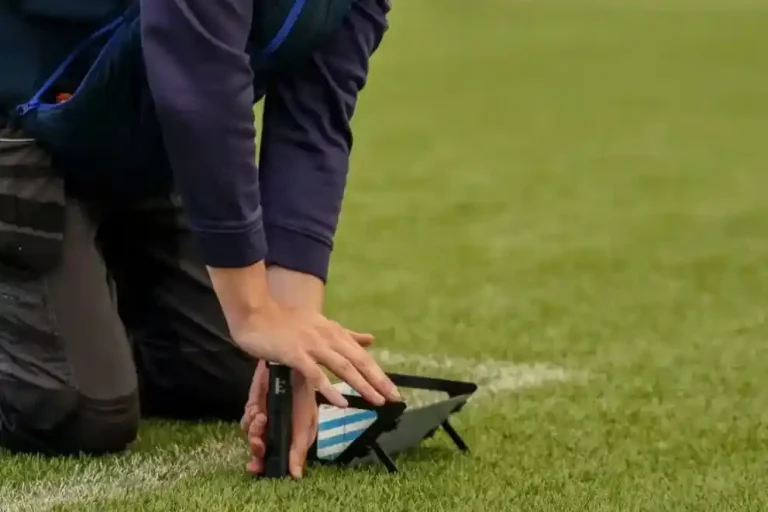
IMPORTANT NOTE: Free Pile, non-elongated (mm) is measured with the Turf Prism.

A Sports Labs specialist does a free pile measurement.
Free Pile Measurement

REACTING TO CHANGE

Initial evidence has shown that an index less than 0.75 will be a critical threshold in respect to ball roll tolerances on Quality Pro stadium fields however it is key to focus on degradation versus time for an individual field as they differ due to construction.
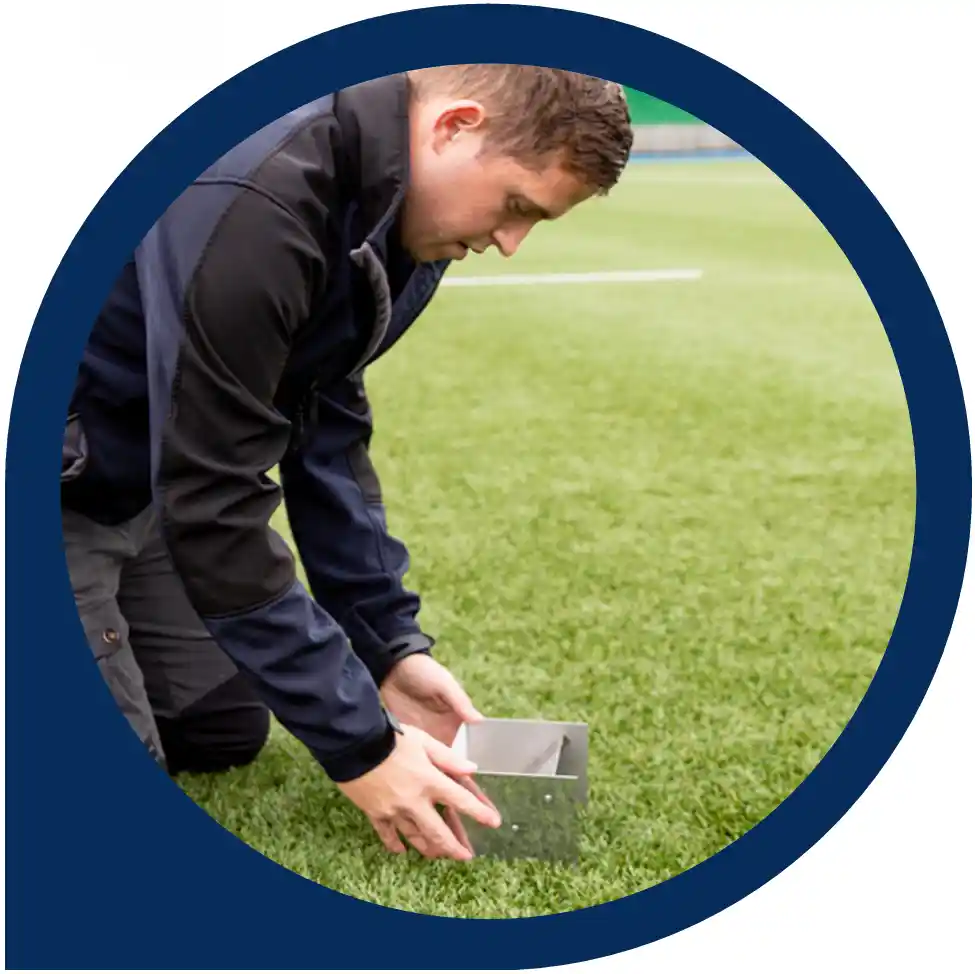
A Sports Labs specialist does an infill depth measurement.
Infill Depth Measurement

Like What you're reading?

Subscribe and Be the first to Get the latest industry news & Updates

Case Study

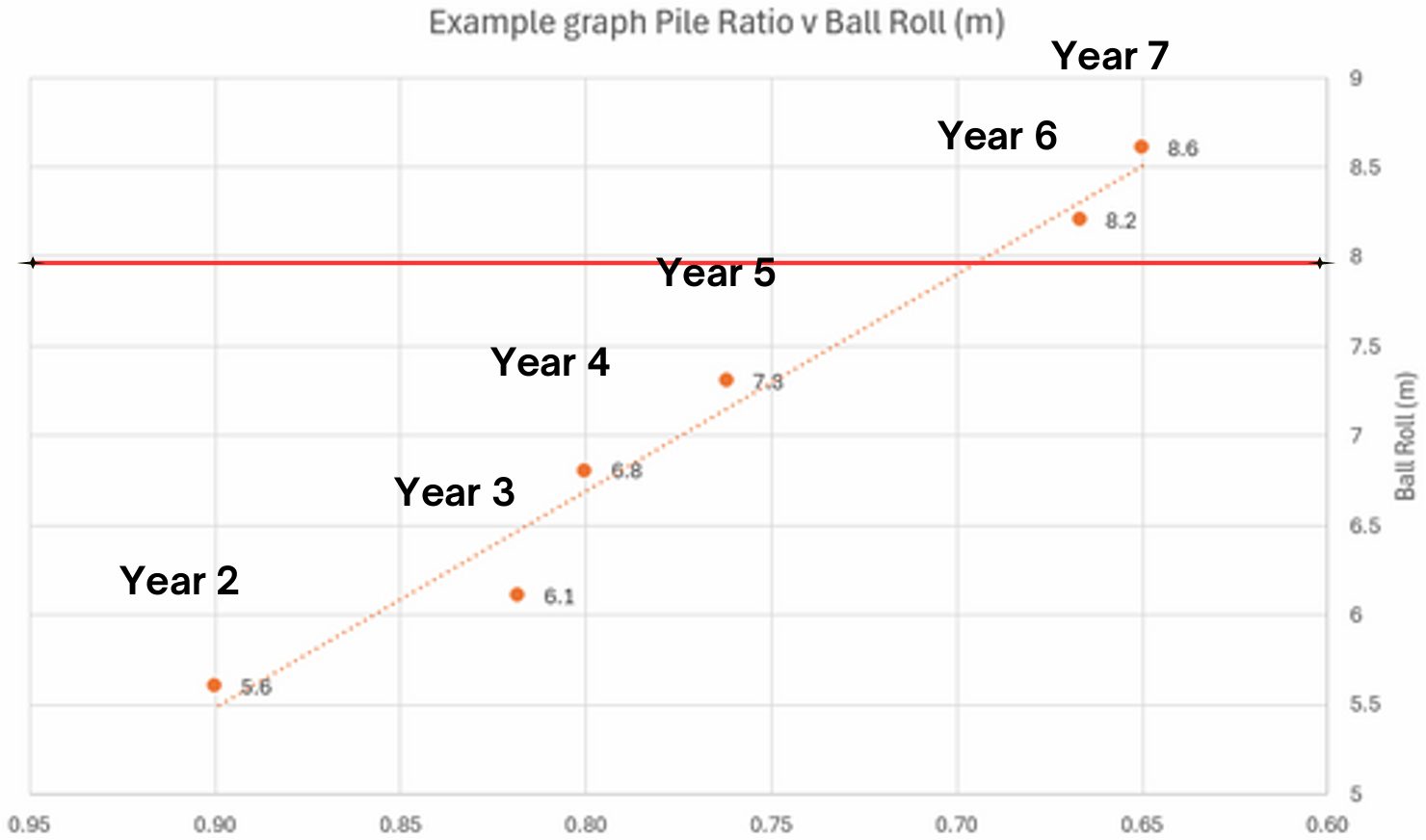
This case study was carried out on a stadium pitch (less than 10,000 capacity) but used by the local community between matches. The pitch is tested annually, and the degradation curve shows the point when the ball roll exceeds 8.0m. This is the current limit for Ball Roil at FIFA Quality Pro level.

We have graphed the data from when the pile ratio has dropped below 1.0, which was on the year 2 retest to the most recent test on year 7. This field is a 50mm product with 31mm of infill depth on the initial test. For this specific field and product the critical Pile Ratio is presented as 0.69.

The field will get routine and specialist maintenance along with infill top-up to ensure
performance remains within acceptable limits and to delay the need for resurfacing.

MAINTENANCE TO PASS - A THRESHOLD

The key to effective maintenance is understanding your field’s unique performance threshold. Monitoring pile ratio data over time serves as a passport for field management that helps you accurately predict when resurfacing may be required and whether your sinking fund is on track.

Ball roll targets, whether for EN 15330-1, FIFA, FA Register or other national tolerances, are a key metric to track in order to manage field performance and longevity.

Maintenance, in line with the manufacturer’s operations and maintenance manual, is critical not only to performance and longevity, but also to comply with the manufacturer’s warranty. It is therefore critical to consult us in your procedures.

Need advice from the Professionals?

Talk to the global leaders in sports testing.

Sports Labs Field Notes

Read Similar Articles

If you enjoyed this article, then pick another! Or subscribe to the Sports Labs Field Notes to be notified when new articles are released.

What is the "Free Pile Ratio" in synthetic turf maintenance?

The Free Pile Ratio is a technical index developed by Sports Labs to monitor yarn flattening and infill levels over time. It is calculated by comparing the measured vertical free pile against the product’s original pile length. This ratio serves as a primary indicator for field performance, player-surface interaction, and overall life expectancy.
While every construction differs, a Pile Ratio below 0.75 is generally considered the critical threshold for stadium-quality fields. Once the ratio drops below this level, ball roll typically increases beyond acceptable FIFA or EN 15330-1 limits, indicating that the yarn may no longer be recoverable through standard maintenance.
There is a direct correlation between declining free pile and increased ball roll distance. As yarn flattens (reducing the pile ratio), surface resistance decreases. Sports Labs research shows that as a Pile Ratio drops from 1.0 to 0.65, ball roll can accelerate from a controlled 5.6m to an unacceptable 8.6m, exceeding FIFA Quality Pro tolerances.

Yes. By graphing the degradation curve of the Pile Ratio annually, facility managers can accurately predict the point of “technical failure”. This data-driven approach allows for precise financial planning, ensuring that sinking funds are ready precisely when the field’s performance metrics fall outside of national or international governing body requirements.

To obtain an accurate Pile Ratio, the free pile must be measured in a non-elongated state. A Turf Prism is the industry-standard tool for this, as it allows for a vertical, microscopic view of the yarn above the infill without disturbing the fibers. Accurate measurement is critical for complying with manufacturer warranties and maintenance procedures.

Frequently Asked QuestionS

Get clear answers to the most common questions