
Can You Take the Heat? Summer Testing Turf Systems
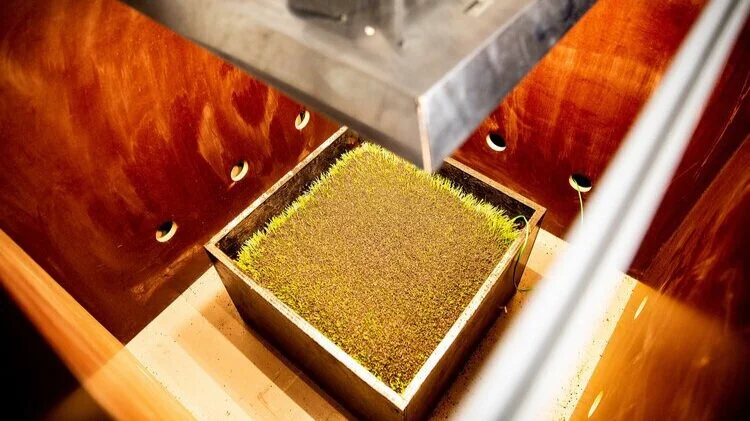
As the season changes across the United States and Europe, thoughts are turning to hot summer days. The heat in some regions can be a problem for artificial turf fields because as temperatures rise, so does the surface temperature of artificial turf. FIFA have a unique test available which classifies turf systems according to an […]
Getting Your Artificial Pitch Ready After Lockdown Ends
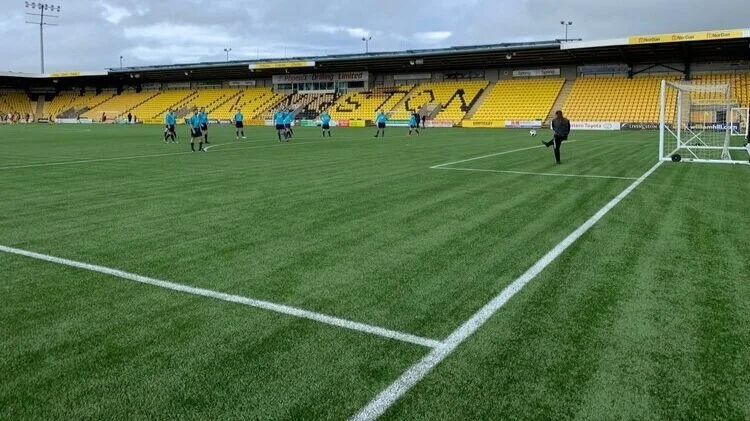
An artificial pitch needs to be regularly maintained to keep it in a safe and acceptable condition for use. Regular brushing and cleaning ensure the playing surface offers the best performance and safety for users. The current Covid-19 restrictions have meant the vast majority of facilities have been closed to users for many months. This could have implications when users are allowed…
Recycling End-of-Life Artificial Turf Fields
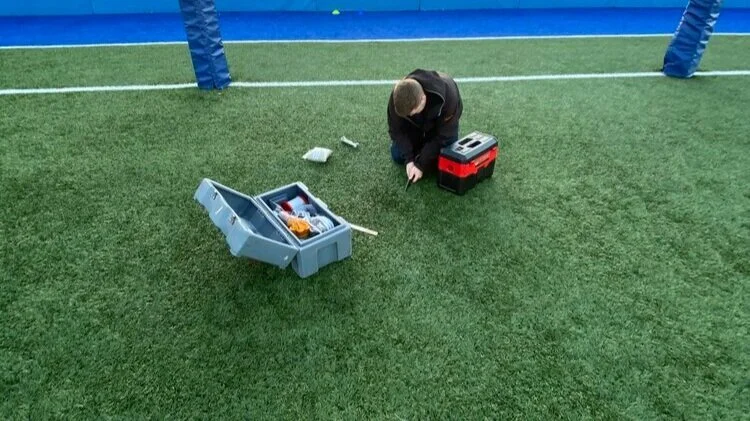
There is much discussion in artificial turf circles about recycling end-of-life fields. In a nutshell, it is both difficult and expensive because of a significant lack of processing plants available in the right locations – ones that can easily cope with the potential demand. Funding is not targeting recycling as a priority. Many have begun to address these issues in Europe where there are…
The Player As Part Of The Testing Team
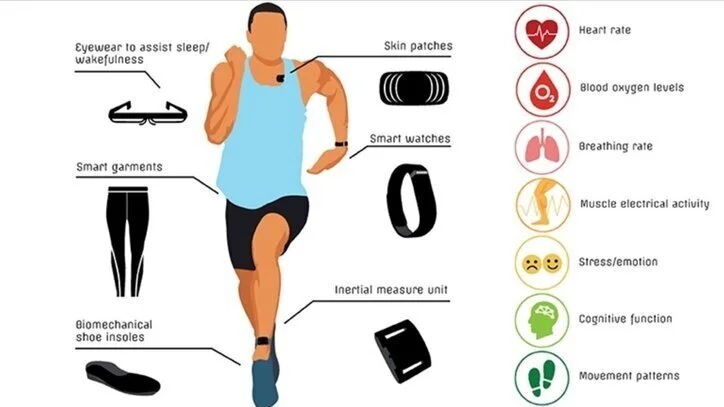
Anyone who knows me will know that I am always banging on about wearable technology becoming the next big thing to come into our world of testing artificial and natural turf sports fields. Let’s face it, Sports Labs has tested thousands of fields over the last 20 years using very similar equipment and technology. And as the processes used to build natural grass fields evolved, artificial turf…
Microplastics & Artificial Pitches: The Facts
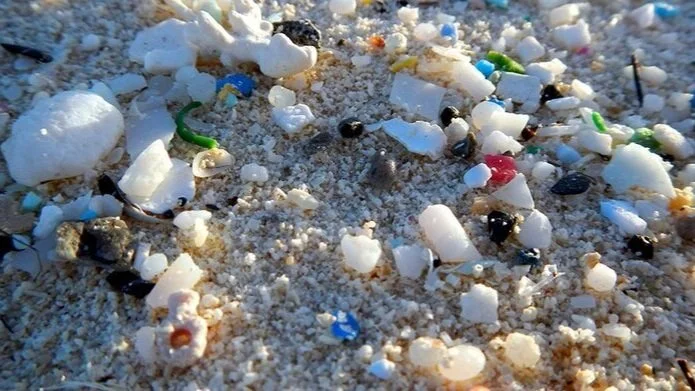
Recently there has been some adverse press concerning microplastics and artificial pitches, so we thought you would be interested in learning more about this issue and how it might affect the industry. We were astounded to learn that a microplastic particle is not that micro. Particles that are smaller than 5mm fall under the definition of a microplastic – so not so little.
What is One Turf?
Recently the global governing bodies we interact with the most issued a guidance document aimed at providing owners, municipalities, manufacturers, etc., with a one-stop shop standard to cater for multi-use artificial fields. The reasoning behind this move merits explanation. If you think about it, why would a global governing body that extensively researches requirements to suit its…
5 Things You Need To Know About Force Reduction Testing
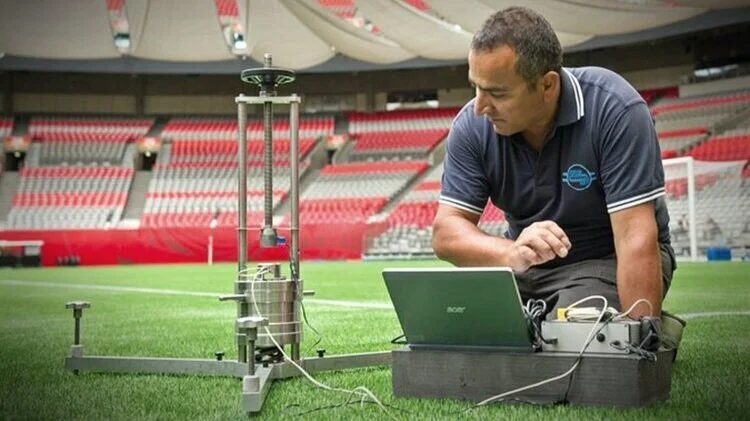
Force Reduction Testing, which is also sometimes referred to as shock absorption testing, is the measure of the ability of a surface to reduce impact forces when compared to a standard concrete surface. The term is often confused with the force of an athlete’s heel upon a surface. Force Reduction Testing was originally developed in the 1970s to assess and regulate polymeric surfaces.
Fact Vs. Fiction: Artificial Turf Injuries
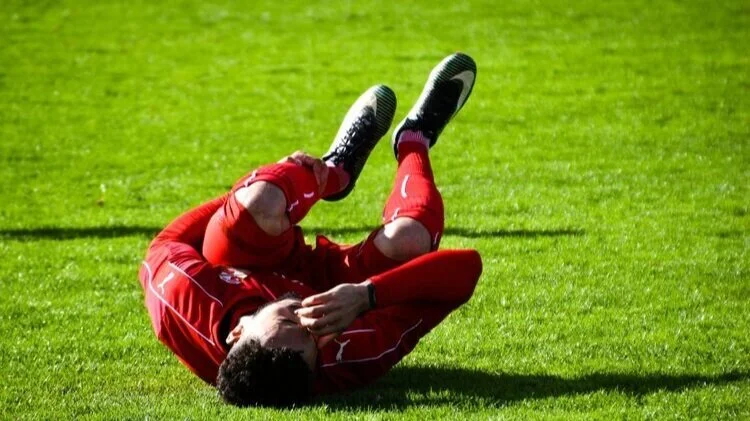
Recently, there has been a lot of negative press focused on artificial turf and those of us working in and around this industry have noticed that media seem to be latching on to the alleged safety issues surrounding rubber crumb. There are other concerns as well (and a lot of misinformation), but in this article, I will focus on shedding light between the facts and myths surrounding artificial turf injuries.
Understanding Artificial Turfs And Concussions
Playing surfaces of all compositions and descriptions have the potential to cause minor to severe head injuries whenever athletes come into contact with them. Artificial surfaces, however, are subject to the most intense evaluations because these surfaces are designed and installed with manufactured products and processed constituents.
Another Look At Non-Filled Artificial Turf
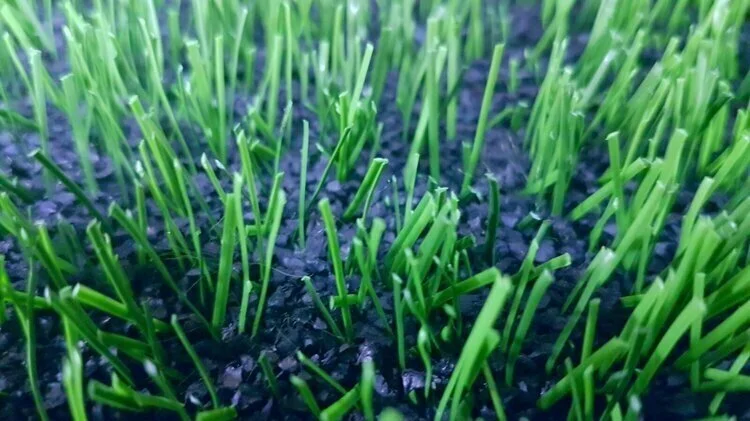
Let’s face it, non-filled turf has been around since 1966, so it is not a new concept to the turf industry. AstroTurf can claim the rights to inventing the first non-filled artificial turf for the Huston Astrodome back in the day.Naturally, things have evolved in the last 50 years, and the exponential rise in football turf since its introduction in the late 1990s has been a game-changer for long pile artificial turf.