
Is it Time to Review Performance Requirements?
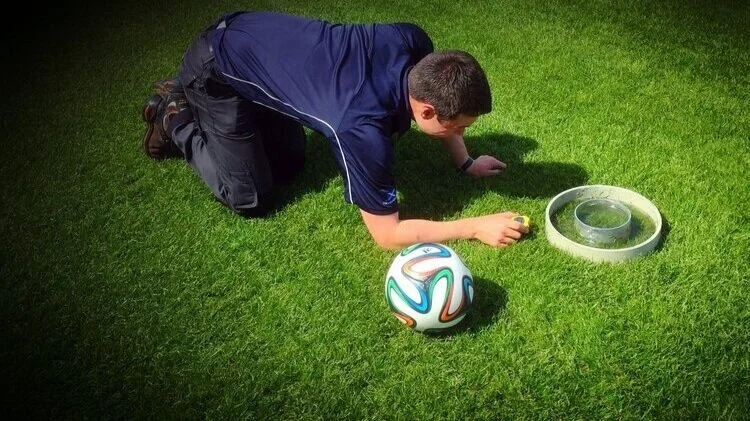
Artificial pitch requirements have been set in stone for a long time now. The first working limits on the performance of artificial turf for soccer appeared in the publication of the Winterbottom report in 1984. In subsequent years, UEFA (1996) and then FIFA (2001) published limits based on good quality natural turf, following in-stadium performance studies.
Five Things to Know About Maintaining Artificial Pitches
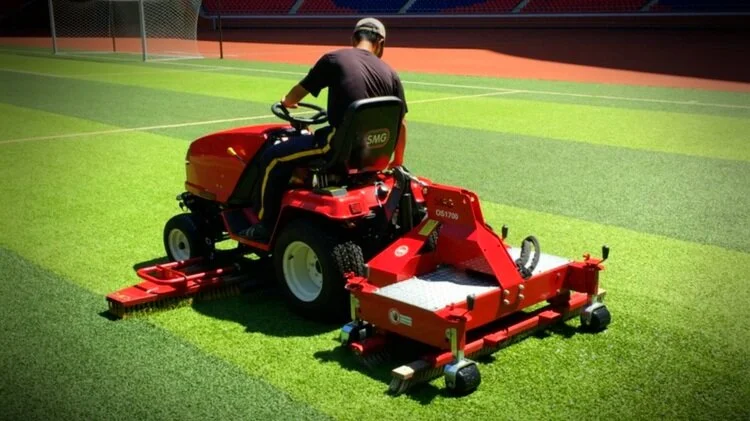
I thought artificial pitches were maintenance free? Yes, that old chestnut. It’s convenient to think that artificial pitches are maintenance free, but the only truth in this is that you don’t need to cut the grass! Artificial pitches are large areas exposed to the environment and are excellent filters for all the pollution and other detritus which falls from the sky or is brought onto the surface.
Five Things You Need to Know About Shockpads
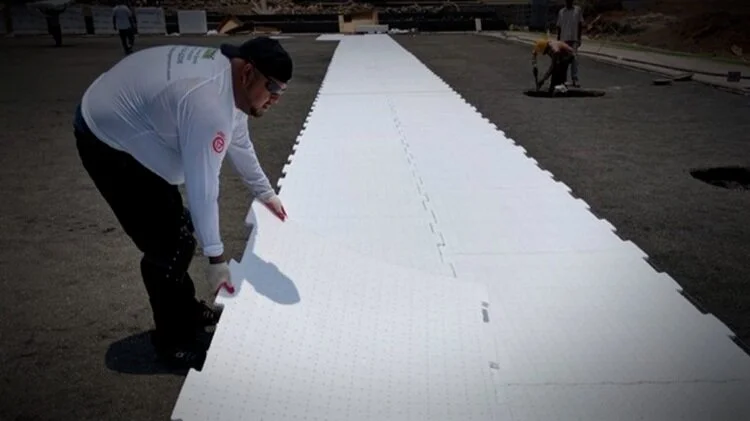
I call them an insurance policy. Why? Because a shockpad is there to provide a permanent shock-absorbing layer within the artificial turf system. It is an underlayment which sits between the substrate* and artificial grass. Normally it provides a minimum guaranteed shock absorption value when tested using an AAA device.** It, therefore, influences the performance of the turf over the pad…
Artificial Turf: How Do We Assess Quality?
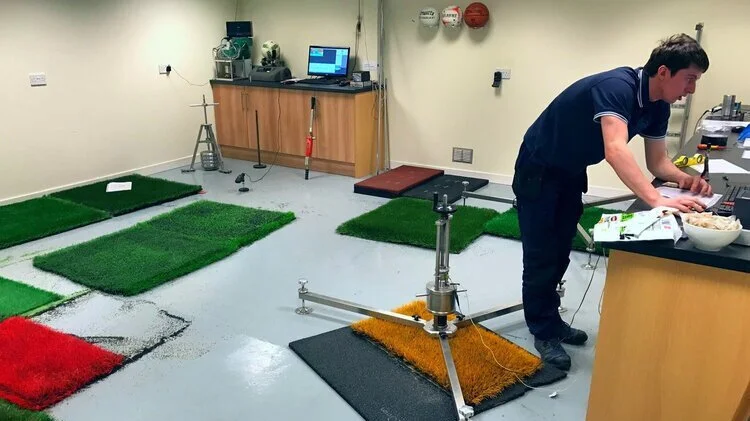
Artificial turf used in sports facilities will, in general, come with a certification from a national or global governing body. You should not consider the purchase of an artificial turf system without first assessing the results of its tests and evaluations under laboratory conditions prior to leaving a factory. In this brief guide, we provide key things to be aware of when considering the purchase of…
Queensferry High School’s New Multi-use 3G Artificial Turf Pitch
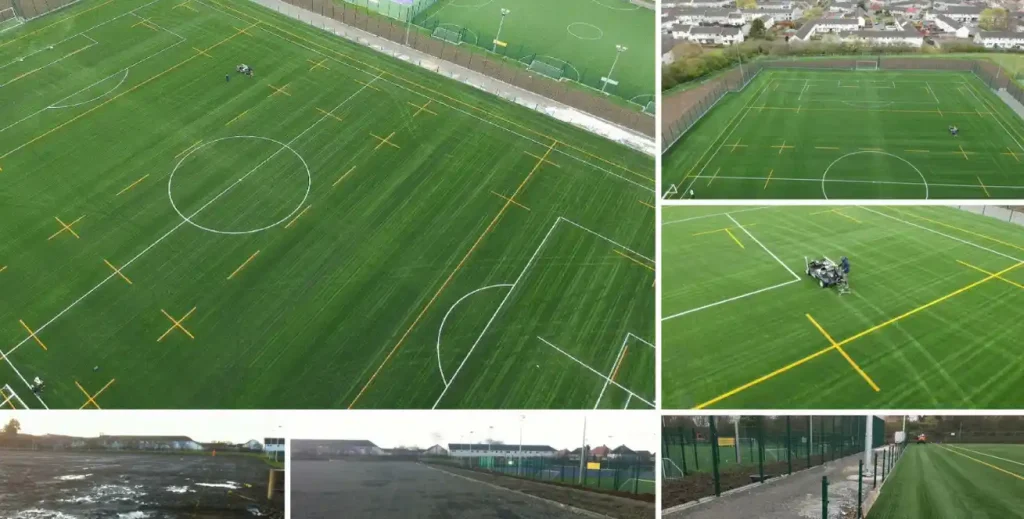
The project consisted of the construction of a new full size 3G artificial turf pitch for multi-sport use, spectator area and dug out/storage area.